
17 September 2026 · 2 min read
Discover how nighttime rest impacts your skin's health and learn habits to optimize its regeneration while you sleep.
The importance of sleep for the skin
Sleeping is not only essential for your overall well-being but also for the health of your skin. During sleep, our body enters a regeneration mode, repairing the damage suffered throughout the day.
What happens to the skin while you sleep?
While resting, processes are activated that promote cellular renewal and collagen production, vital for keeping the skin firm and elastic. Lack of sleep can lead to dull, lifeless skin.
- Increased blood circulation
- Promotion of collagen production
- Reduction of cortisol levels, the stress hormone
Nighttime habits that promote regeneration
To maximize the benefits of sleep on the skin, it is crucial to adopt certain habits that enhance its regenerative effect.
- Sleep at least 7-8 hours every night
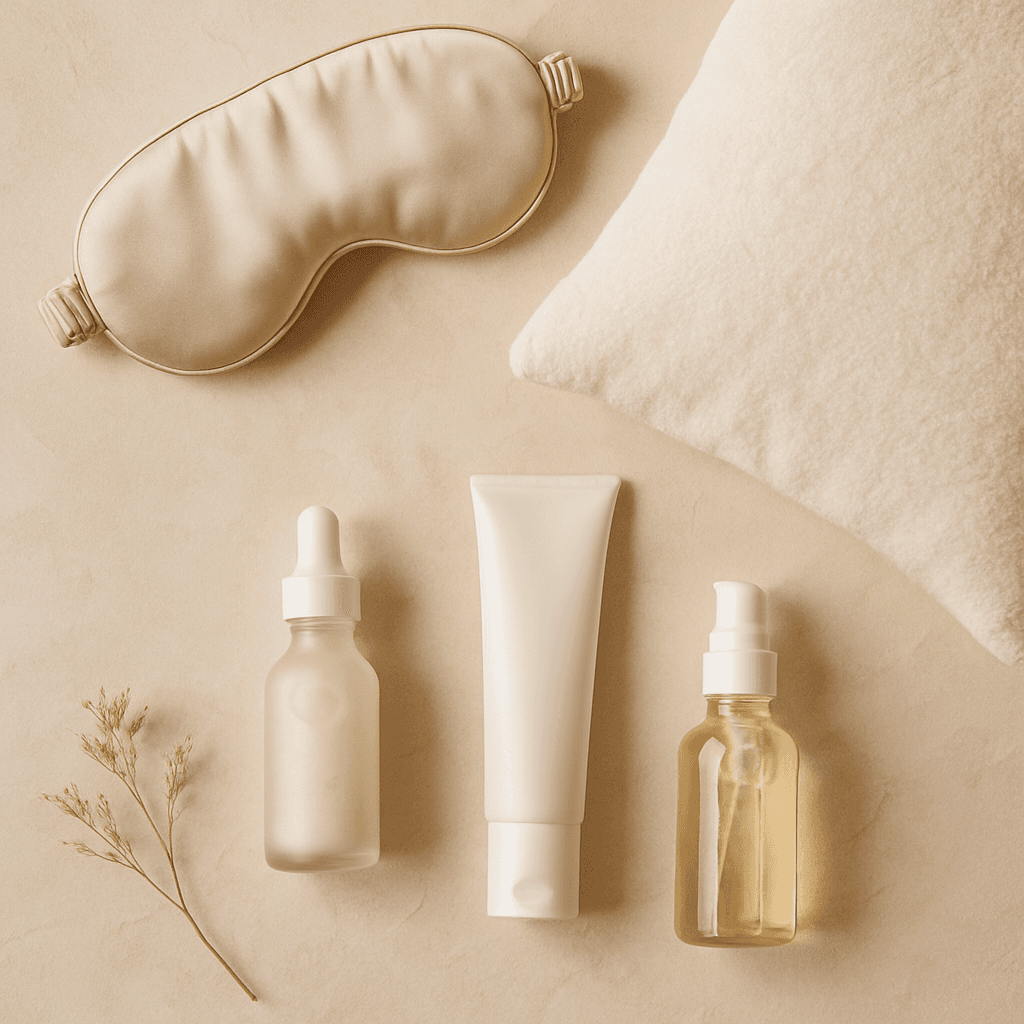
- Maintain a skincare routine before bed
- Use silk pillowcases to reduce friction
Myths about sleep and the skin
There are many beliefs about sleep and its impact on the skin. Here we debunk some of the most common ones:
1. "More hours of sleep are always better". Quality of sleep is more important than quantity. 2. "Sleeping with makeup does not affect the skin". Makeup clogs pores and increases the risk of blemishes. 3. "Sleep only affects dark circles". It affects elasticity, tone, and overall skin health.
Remember, every skin is unique, and what works for one person may not be suitable for another. It's best to consult with an aesthetic medicine specialist for personalized evaluation.